
In an increasingly connected world, global travel has become more accessible than ever, prompting adventurers to cross borders to discover diverse cultural heritages and dynamic economic hubs. From exploring the mist-shrouded limestone pillars of Vietnam’s Ha Long Bay to navigating the bustling financial centers and pristine wilderness of Canada, international journeys offer endless opportunities. However, transforming these ambitious itineraries into reality requires strategic pre-travel organization. To avoid stressful delays at border entry checkpoints, modern travelers must stay well-informed about the distinct digital entry systems and migration protocols implemented by different governments.
Streamlining Entry with the Vietnam Electronic Visa
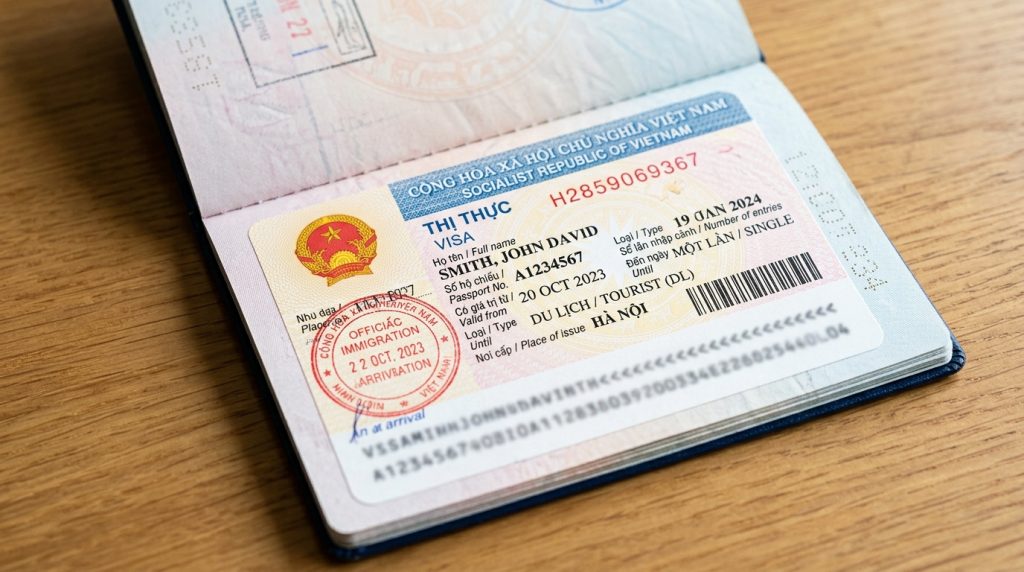
For those planning an unforgettable journey to Southeast Asia, navigating entry requirements has recently become much simpler. The Vietnamese government has fully embraced digital immigration frameworks to replace legacy border methods, creating an efficient pathway for global holidaymakers. Utilizing the official digital application portal allows tourists to secure their electronic entry documents completely in advance, drastically cutting down processing backlogs at major international airports such as Hanoi and Ho Chi Minh City.
Acquiring a VIETNAM VISA ONLINE has transformed into an intuitive, paperless process that can be completed from any home or office space. Applicants simply upload a digital scan of their passport’s biometric page along with a recent passport-style photograph, fill out their flight details, and complete a secure online payment. Within a few business days, the approved entry document is delivered straight to the traveler’s email, enabling a seamless transition past the immigration desk upon touchdown.
Smart Traveler Tip: While digital immigration databases instantly record your approval status, it is highly practical to carry two printed copies of your electronic travel authorization. Border officials may require a physical printout during passport validation or during airline check-in.
Navigating North American Transits: The Canadian eTA
When traveling westward toward North America, immigration systems follow an entirely separate framework depending on your mode of arrival. For visa-exempt foreign nationals traveling to or transiting through North American territory by air, a regular visa is not required; instead, an automated screening system is used to check traveler eligibility before boarding. If you are unsure how this system logs your document status, it is important to find out WHAT IS CANADA ETA NUMBER and understand how it functions.
This specific electronic identifier is generated upon the successful approval of your Electronic Travel Authorization application. Rather than being printed out as a separate physical permit, this alphanumeric code is directly linked electronically to the traveler’s passport biometric chip. The authorization remains valid for up to five years, or until the passport expires, permitting multiple short-term entries for tourism, business transits, or family visits. Because the verification occurs automatically when an airline scans your passport at check-in, keeping track of this application number ensures your profile is completely cleared for departure.
Pre-Travel Checklist for Global Compliance
- Verify Passport Lifespan: Ensure that your physical passport has an absolute minimum validity period of six months beyond your scheduled calendar date of arrival in any destination country.
- Review Financial Disclosures: Check the specific local customs limits regarding foreign currency holdings, as many jurisdictions strictly mandate formal asset declarations for physical cash exceeding equivalent thresholds of $10,000 USD.
- Respect Local Etiquette: Take time to review regional traditions and cultural dress codes, as many heritage zones or official monuments mandate modest attire to show respect for local heritage.
