
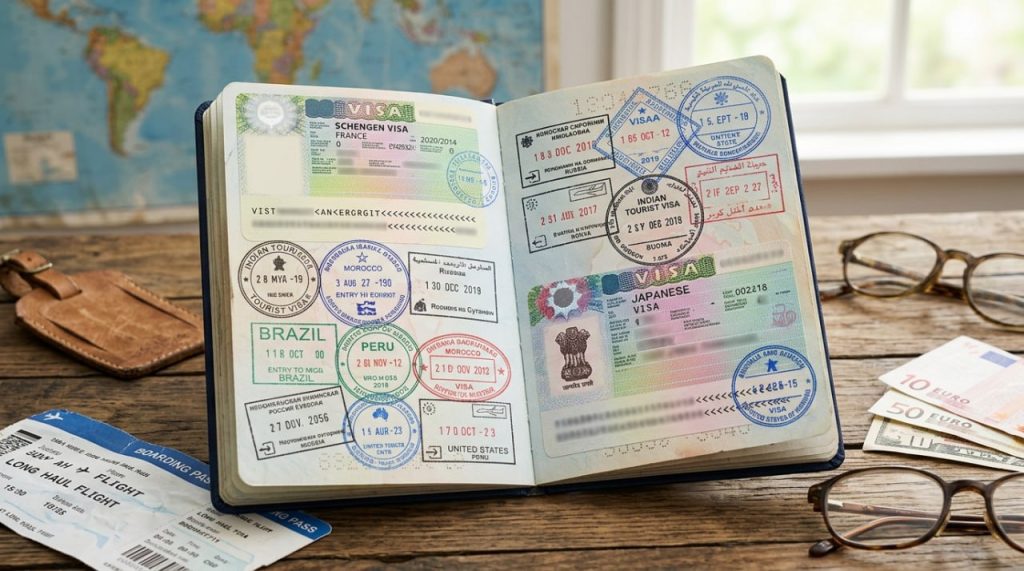
India’s tourism landscape in 2026 is defined by unprecedented accessibility and a rapid digital evolution. As the country opens its doors to record-breaking numbers of international visitors, the efficiency of the e-Visa system has become the backbone of modern travel to South Asia. However, for many travelers, the technicalities of “validity,” “types,” and “rejection risks” remain the most misunderstood aspects of the application process.
Whether you are planning a month-long spiritual retreat or responding to a sudden commercial crisis, understanding the lifecycle of your travel authorization is the difference between a seamless entry and a costly mistake.
Destination Inspiration: Indian Visa Information for Tourists
Before diving into the paperwork, it is essential to align your travel goals with the Kingdom’s vast geography. Having the right INDIAN VISA INFORMATION FOR TOURISTS allows you to plan your arrival around India’s most iconic landmarks.
In 2026, five destinations stand out as “must-visit” locales: the eternal Taj Mahal in Agra, the spiritual ghats of Varanasi, the serene backwaters of Kerala, the pink palaces of Jaipur, and the futuristic tech hubs of Bangalore. Each of these regions offers a distinct slice of the Indian experience, but they all require a valid e-Tourist visa for entry. When planning your route, remember that your visa is your ticket to exploring these diverse terrains, so ensuring your documentation is approved well in advance is the first step toward a successful journey.
Mastering the Calendar: The Thirty Days Indian Visa
For many casual tourists and short-term explorers, the 30-day e-Tourist visa is the most popular choice. It offers the perfect window to experience the highlights mentioned above. However, a common point of confusion is when the clock actually starts ticking.
In 2026, the THIRTY DAYS INDIAN VISA operates under a specific “validity window” and an “arrival window.” Once your e-Visa is granted, you are given a period to enter the country. The actual 30-day duration of stay begins the moment you clear immigration at an authorized port of entry, not the day the visa was issued. This distinction is vital for itinerary planning. If you stay beyond the 30-day limit, you risk heavy fines and potential blacklisting.
Staying Longer: How to Extend or Renew Indian Visa
Sometimes, the magic of the subcontinent is too captivating to leave within the original timeframe. For those who find themselves wanting more time to explore, understanding the process to EXTEND OR RENEW INDIAN VISA is critical.
In 2026, most e-Visas are non-extendable and non-convertible once you are inside the country. However, travelers can apply for a fresh e-Visa from outside India if they wish to return, or they can contact the Foreigners Regional Registration Office (FRRO) for exceptional circumstances such as medical emergencies. For those on 1-year or 5-year tourist visas, “renewal” is essentially a new application process that should be initiated at least 30 days before the current visa expires to avoid overstaying penalties.
Prevention is Key: Why an Indian Visa Gets Rejected
Even with the system’s efficiency, a significant percentage of applications are denied annually. Having an INDIAN VISA REJECTED can disrupt travel plans and lead to financial loss. To avoid this, travelers must be meticulous.
The most common reasons for rejection in 2026 include mismatched passport details or using a blurry photograph that doesn’t meet the white-background biometric standards. Ensuring that your application precisely mirrors your official documents is the most effective way to guarantee approval.
When Every Hour Counts: The Urgent Emergency Indian Visa
For high-pressure scenarios, the URGENT EMERGENCY INDIAN VISA serves as the specialized fast-track for travelers in crisis. In 2026, this “Fast-Track” system is prioritized by dedicated processing centers that operate 24/7, providing approvals in as little as 24 hours.
Expert Tips for 2026 Travel Success
- The Double-Entry Rule: The 30-day tourist visa typically allows for two entries within the 30-day stay period.
- Digital and Physical Backups: While the visa is linked to your passport, always carry a high-quality printed copy of your Electronic Travel Authorization (ETA).
- Port Verification: Ensure your flight lands at one of the 29 designated international airports equipped with biometric e-Visa kiosks.
Conclusion: Preparation Meets Adventure
India is a land that rewards those who respect its rules and embrace its energy. By mastering the timing of your stay, understanding how to handle extensions, and double-checking your documents to avoid rejection, you clear the path for a truly transformative experience. In 2026, the wonders of the subcontinent are closer than ever—as long as you have the right documentation at the right time.
