
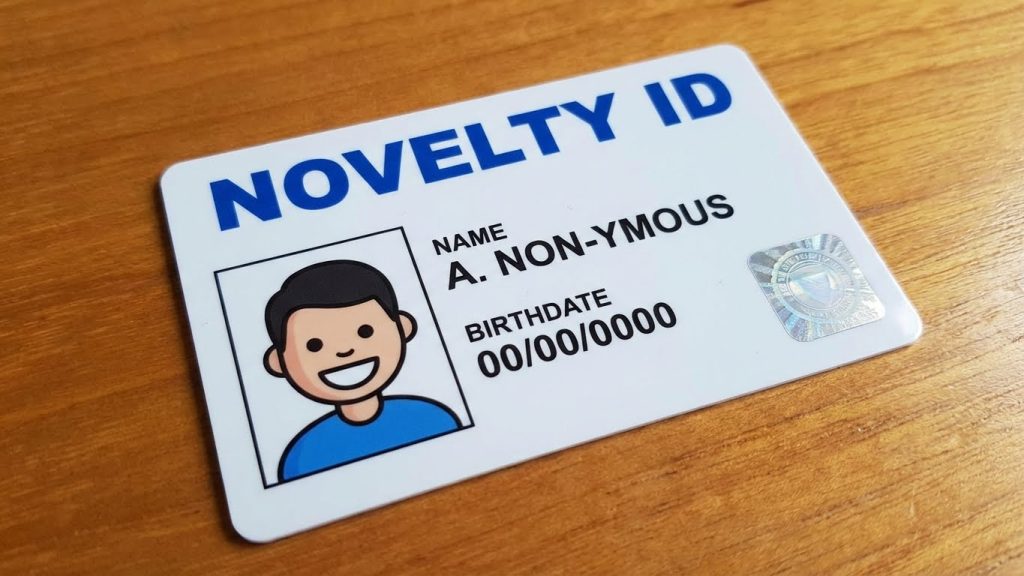
In recent years, the term Novelty ID has gained visibility across online discussions, forums, and educational resources. While the phrase may sound straightforward, its meaning, purpose, and implications are often misunderstood. For search engines and readers alike, it is important to clearly define what a novelty ID is, how it is commonly used, and why responsible awareness matters more than ever in the digital age.
A novelty ID is generally described as an identification-style card created for entertainment, educational, or display purposes. These items are not government-issued documents and hold no legal authority. Their value lies in visual representation rather than official function. Understanding this distinction is critical for users, content creators, and platforms discussing the topic.
What Is a Novelty ID?
A novelty ID is typically designed to resemble an identification card but is clearly intended for non-official use. Common legitimate contexts include:
- Film, television, and theater productions
- Educational demonstrations and training materials
- Graphic design portfolios and print samples
- Collectibles or novelty memorabilia
- Event props or costume accessories
From an informational standpoint, novelty IDs are visual items that mimic the format of real identification without serving as proof of identity. This separation between appearance and function is central to understanding their role.
Why Novelty IDs Exist
Novelty IDs exist primarily because identification formats are widely recognized and visually structured. Designers, educators, and creatives often require realistic-looking examples to demonstrate layout principles, security design concepts, or user interface elements without relying on real personal data.
For example, design students may use novelty IDs to practice typography, spacing, holographic patterns, or data hierarchy. Similarly, filmmakers use prop IDs to enhance realism without compromising legal or ethical boundaries.
Legal Awareness and Compliance
One of the most important aspects of discussing novelty IDs is legal awareness. Laws and regulations regarding identification vary significantly by country, state, and jurisdiction. While novelty IDs may be legal to possess in certain contexts, misrepresenting them as real identification is widely prohibited.
From an informational perspective, responsible content emphasizes the following principles:
- Novelty IDs are not substitutes for real identification
- Using any non-government ID to deceive, misrepresent age, or access restricted services may be illegal
- Clear labeling and disclosure are essential
- Legal consequences may apply if misuse occurs
Search engines prioritize content that addresses legality and user responsibility, making this approach essential for SEO and credibility.
Responsible Use in Digital Communities
Online forums and discussion platforms often host conversations around novelty IDs from an academic, design, or curiosity-based perspective. Responsible communities focus on education rather than instruction. This means discussing concepts, risks, and ethics rather than actionable steps.
Responsible discussions typically include:
- Clear disclaimers about legality
- Emphasis on non-deceptive usage
- Educational framing rather than transactional intent
- Respect for local and international laws
This approach helps protect users while also maintaining platform integrity and search engine trust.
Novelty ID and SEO-Safe Content Strategy
From an SEO perspective, content about novelty IDs must be written carefully. Search engines assess not only keyword usage but also intent, context, and safety. High-quality, indexable content focuses on:
- Informational depth
- Neutral, educational tone
- Clear definitions and boundaries
- Absence of facilitation or encouragement of misuse
Using the keyword Novelty ID naturally throughout the article helps relevance without triggering policy concerns. Semantic variations and contextual explanations further strengthen topical authority.
Ethical Considerations in Identification Design
Ethics play a major role in any discussion involving identity representation. Designers and educators are increasingly encouraged to think about how visual systems influence trust and perception. A novelty ID, when used ethically, becomes a tool for learning rather than deception.
Ethical best practices include:
- Avoiding real names or real personal data
- Clearly marking items as “novelty” or “sample”
- Using fictional or placeholder information
- Educating users on the difference between real and non-real IDs
These practices protect individuals, platforms, and creators alike.
The Importance of Informed Awareness
As digital conversations expand, informed awareness becomes essential. Users searching for information about novelty IDs are often seeking clarity rather than instruction. Providing accurate, responsible information helps prevent misuse and supports informed decision-making.
Well-written educational content also benefits long-term SEO by building topical trust. Search engines favor pages that answer user questions honestly while discouraging harmful behavior.
Final Thoughts
The concept of a Novelty ID is best understood through an educational and responsible lens. While these items may serve creative, academic, or display purposes, they are not legal identification and should never be treated as such. Clear understanding, legal awareness, and ethical consideration are essential for anyone engaging with this topic.
For platforms, writers, and readers alike, focusing on information over instruction ensures compliance, credibility, and sustainable visibility in search results. When discussed responsibly, novelty IDs can remain a legitimate topic of design, education, and general awareness without crossing ethical or legal boundaries.
