
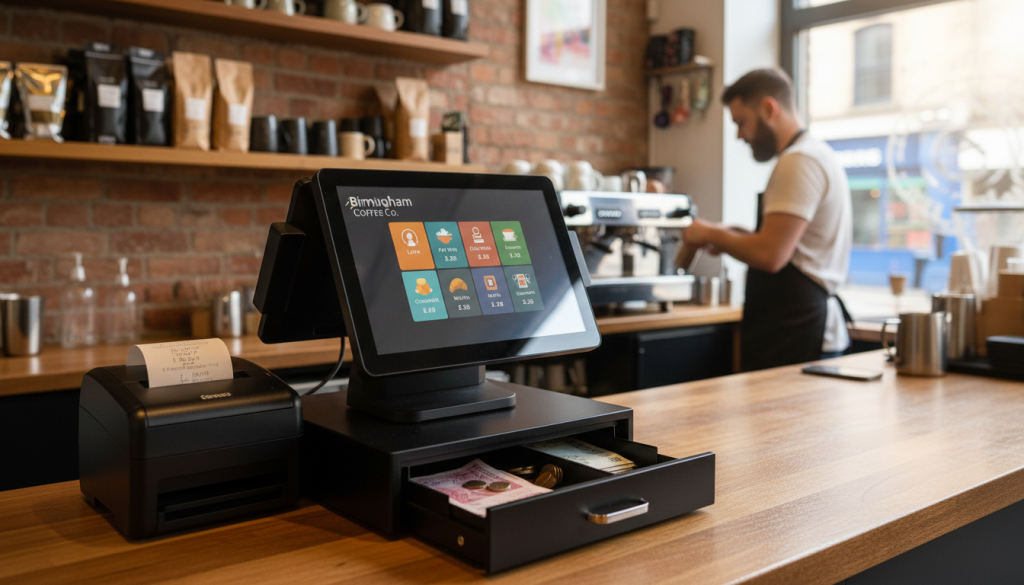
In the world of specialty coffee and local bistros, the atmosphere is everything. Owners spend months sourcing the perfect beans, designing the layout for comfort, and training baristas to master the art of the pour. However, many fail to realize that the most critical touchpoint in the customer journey isn’t the first sip of a latte—it is the efficiency of the transaction. A high-performing cafe point of sale system is no longer just a digital cash drawer; it is the silent engine that powers a seamless service environment.
The unique rhythm of a cafe is different from a traditional restaurant. It involves high-volume “bursts” during morning rushes, complex custom orders (extra shots, milk alternatives, syrup variations), and a high percentage of takeaway customers. Without technology specifically tuned to these nuances, a business risks long queues, frustrated staff, and lost revenue.
Precision at the Counter: Handling Complexity with Speed
One of the biggest challenges in a busy cafe is the sheer number of modifiers. A customer might order a decaf oat milk flat white with an extra shot and vanilla syrup. If the staff has to manually write this down or navigate through ten different screens on an outdated till, the line begins to stall.
A modern cafe point of sale system is designed with intuitive modifiers that allow baristas to input complex orders with a few rapid taps. This precision ensures that the order sent to the preparation station is crystal clear, reducing the frequency of remakes and wasted ingredients. In an industry where margins are often thin, reducing milk and coffee waste through order accuracy is a direct path to increased profitability.
Inventory Management in Real-Time
Managing stock in a cafe is a delicate balancing act. Perishable items like milk, pastries, and fresh sandwiches have a short shelf life. Conversely, running out of a signature bean or a popular alternative milk mid-morning can lead to immediate lost sales.
Implementing a professional cafe point of sale system allows owners to track inventory at a granular level. Many systems now offer automated stock alerts. For example, when the system detects that the number of croissants sold has reached a certain threshold, it can notify the manager to bake more or adjust the “out of stock” status on digital menus. This real-time synchronization prevents the awkward “sorry, we’re out of that” conversation with a customer who has already waited in line.
Cultivating Community through Integrated Loyalty
Cafes thrive on “regulars.” The goal of any independent coffee shop is to turn a one-time visitor into a daily customer. Traditional paper punch cards are easily lost and provide zero data to the business owner.
A digital cafe point of sale system integrates loyalty directly into the checkout flow. Whether it is through a phone number, a dedicated app, or a linked payment card, the system recognizes the customer instantly. This allows the cafe to offer personalized rewards, track spending habits, and even send automated “we miss you” offers during quiet periods. This data-driven approach to community building is what separates successful modern cafes from those that struggle to maintain a consistent customer base.
Streamlining the Backend: Reporting and Growth
For a business owner, the “close of play” report shouldn’t be a headache of manual calculations. The true power of a cafe point of sale system lies in its reporting suite. Beyond just seeing total sales, owners can analyze:
- Hourly Performance: Identifying the exact window of the “morning rush” to optimize staff scheduling.
- Product Mix: Seeing which seasonal specials are actually performing and which are just taking up space on the menu board.
- Labor Costs: Comparing labor spend against sales in real-time to ensure the shop is running lean during slow afternoon hours.
Conclusion
The transition from a basic till to a comprehensive cafe point of sale system is a turning point for any hospitality business. It moves the operation away from guesswork and toward precision. By automating the mundane tasks of inventory, modifiers, and reporting, the barista is freed up to do what they do best: engage with the community and craft the perfect cup of coffee. In the modern UK high street, that efficiency is the difference between a shop that survives and one that becomes a local institution.
